

Art and Mental Health
Updated: 5 days ago
The Power of Group Arts in Improving Mental Health
I have always believed in the power of art to bring people together, to heal, and to help us express ourselves in ways words sometimes cannot. A recent study in*Nature Mental Health* confirms exactly that. It shows that group arts activities—painting, drawing, music, dance, and theatre—have a significant impact on mental well-being, especially for older adults facing depression and anxiety.
Reading studies like this reassures me that the work I do with Makings and Musings is vital. I see the effects of creativity on people’s confidence, mood, and connection every day in my classes. Scientific research reinforces this; art is not just a hobby; it is a lifeline for many.
Art and mental health are intricately connected!
The Study: How Group Arts Improve Mental Health
The study examined structured, group-based creative activities for older adults. It found that participants engaging in these activities experienced significant reductions in depression and anxiety symptoms.
Social Connection: A Key Factor
One of the biggest factors was social connection. Many people, especially as they age, struggle with isolation, which can lead to declining mental health. But when they join an arts group, something important happens. They meet like-minded individuals, share experiences, and build friendships. Creativity becomes the bridge that connects them.
The Importance of Creating Together
Another key finding showed that the type of art was less important than the act of creating together. Whether participants were painting, singing, or acting, the mental health benefits remained consistent. This suggests that it's not about artistic skill; rather, it is about the process, the shared experience, and the joy of making something together.
Engaging in art and mental health activities—such as group painting or creative journaling—can reduce stress and enhance overall well-being.
Why Group Arts Are So Powerful for Mental Health
I have witnessed how art can transform lives. Many students arrive at my classes feeling unsure or self-conscious, but over time, something shifts. They relax, experiment, and begin to see themselves differently. Research supports what I observe: art in a group setting is a strong tool for well-being.
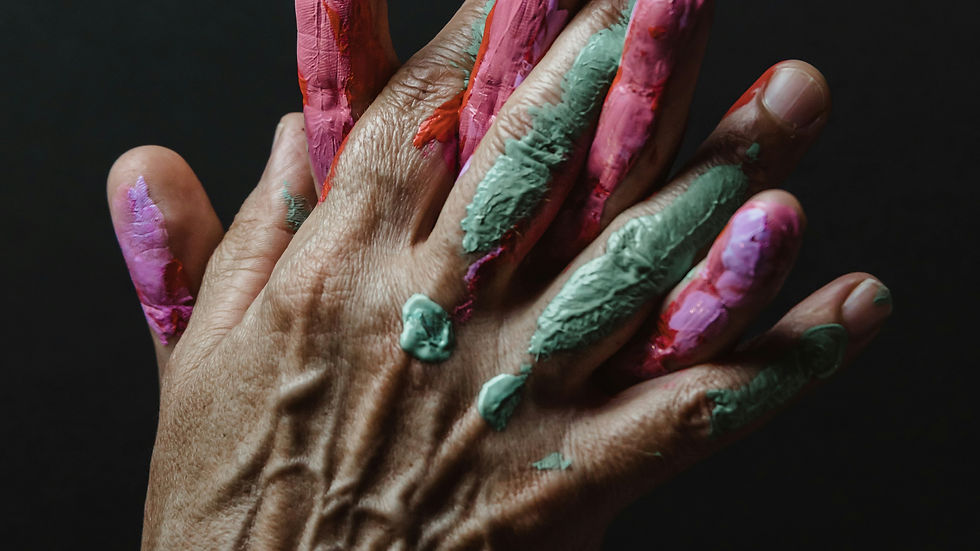
1. Social Connection and Belonging
A vital aspect of group arts is the sense of belonging it fosters. Loneliness is a serious issue for many, and isolation can exacerbate anxiety and depression. Joining an art class means you become part of a community. I have watched friendships blossom in my classes; people who barely spoke on day one begin to encourage each other, share ideas, and meet up outside of class to create together. That connection is as valuable as the art itself.
2. Emotional Expression and Stress Relief
Art provides a way to process emotions that are often hard to articulate. Whether it involves grief, stress, or anxiety, creativity offers an outlet. Many tell me they feel lighter after a painting session or that sketching helped them through tough times. The study supports this—artistic expression helps regulate emotions and even lowers cortisol levels, the body's main stress hormone. Simply putting pencil to paper or brush to canvas can calm the mind and bring solace.
3. Cognitive Engagement and Mental Stimulation
Learning new creative skills is beneficial for the brain. Trying different techniques, experimenting with colors, or mastering proportions in a drawing keeps the mind active. This is especially crucial for older adults; research shows that mental engagement helps protect against cognitive decline. In my classes, I love watching people challenge themselves and surprise themselves with their capabilities. The joy of learning persists regardless of age—it keeps us feeling alive.
4. A Sense of Achievement and Confidence Building
Many participants come to my classes declaring, “I am not creative” or “I haven't drawn since childhood.” However, as they create, they begin to realize they can do it. They trust their instincts, make bolder choices, and take pride in their creations. This sense of achievement ripples into other life areas. When we build confidence in one aspect, we start to believe in ourselves overall. Witnessing someone transition from “I cannot” to “Look what I made!” is incredibly rewarding.
How to Bring More Art into Your Life for Mental Well-being
If you are thinking, This sounds great, but where do I start?—don’t worry. You don’t have to be an artist to benefit from creativity. Here are some ways to incorporate art into your life and enjoy its mental health advantages.
1. Join a Local Art Group or Class
One of the best places to start is in a local art group or class. Many community centers, libraries, and organizations offer events in drawing, painting, or mixed media. Being in a class provides structure and motivation; it’s a great opportunity to meet new people. If you’re unsure where to begin, check community listings or ask around. You may be surprised at how many creative opportunities are available nearby.
2. Explore Online Art Communities
If you prefer to create from home, online communities can be equally powerful. My Makings and Musings online community connects individuals worldwide who want to make art in a supportive, encouraging environment. Online courses and live workshops allow you to learn at your own pace while feeling part of something larger. Social media groups that focus on sketchbooking, painting, or mixed media also provide inspiration and connection.
3. Start a Sketchbook or Personal Art Project
If joining a class feels intimidating, start small. Keep a sketchbook and spend just ten minutes daily doodling, painting, or collaging. There’s no right or wrong approach—just let yourself explore. The key is to make it a regular practice without stressing about the outcome. The act of creating is where the benefits lie, not the finished product.
4. Get Involved in a Community Art Project
Many charities and organizations run art programs focused on mental health and well-being. Volunteering can be an incredibly fulfilling way to connect with others and experience art's therapeutic effects. I have collaborated with organizations that bring art to elderly communities, people with disabilities, and mental health groups. Observing how creativity brings people together in these settings reinforces its essential nature.
5. Try Art-Based Mindfulness Practices
Art and mindfulness complement each other. Simple exercises like mindful drawing, coloring, or intuitive painting can be very calming. Such activities encourage you to slow down, focus on the present, and let go of self-judgment. If you’ve never tried it before, start with something small—drawing patterns, filling a page with color, or sketching nature. The key is to enjoy the process, rather than fretting over the result.
Final Thoughts: Why This Matters
Reading this study reaffirmed what I knew deep down: art is essential for our mental health. Creativity encompasses more than aesthetics; it involves connections, expression, and overall well-being. It’s the reason I do what I do.
When I witness the impact of art on my students, I understand this work matters profoundly. Whether it involves someone overcoming self-doubt, finding community, or feeling more present, art has the potential to change lives.
So, if you’ve been considering adding more creativity into your life, take this as your cue to start. Find a group, pick up a sketchbook, or join an online class. You don't have to be an artist; just remain open to the experience. Your mental well-being will surely appreciate it.
Makings and Musings: A Creative Community for Everyone
Makings and Musings is an inviting, mindful art community where anyone can explore creativity, from complete beginners to experienced artists. I created this space to help individuals connect with their artistic side in a relaxed, enjoyable, and fulfilling manner. Art goes beyond beauty; it embodies self-expression, confidence, and tranquility in the creative process.
Through online courses, in-person workshops, and a supportive membership, I guide individuals in drawing, painting, and mixed media techniques. My approach emphasizes accessibility, regardless of skill level. Whether you're eager to start your first sketchbook, learn a new medium, or find a creative outlet, there's something for you. Many students have discovered how art can infuse joy into their lives, and I take great pleasure in watching their confidence flourish.
If you’ve ever thought, “I am not artistic” or “I do not know where to start,” I want to show you that you can create. My courses, live sessions, and online community offer encouragement, inspiration, and a space to share your work free of pressure. I also collaborate with charities and community organizations, bringing art to those who may not have had the opportunity to explore it before.
Curious to discover more?
Visit my website: www.makingsandmusings.com
Follow along on social media for tips, inspiration, and behind-the-scenes content:
📌 Instagram: @makingsandmusings
📌 Facebook: Makings and Musings
📌 YouTube: Makings and Musings
Come join the creative journey—I would love to have you there!


